
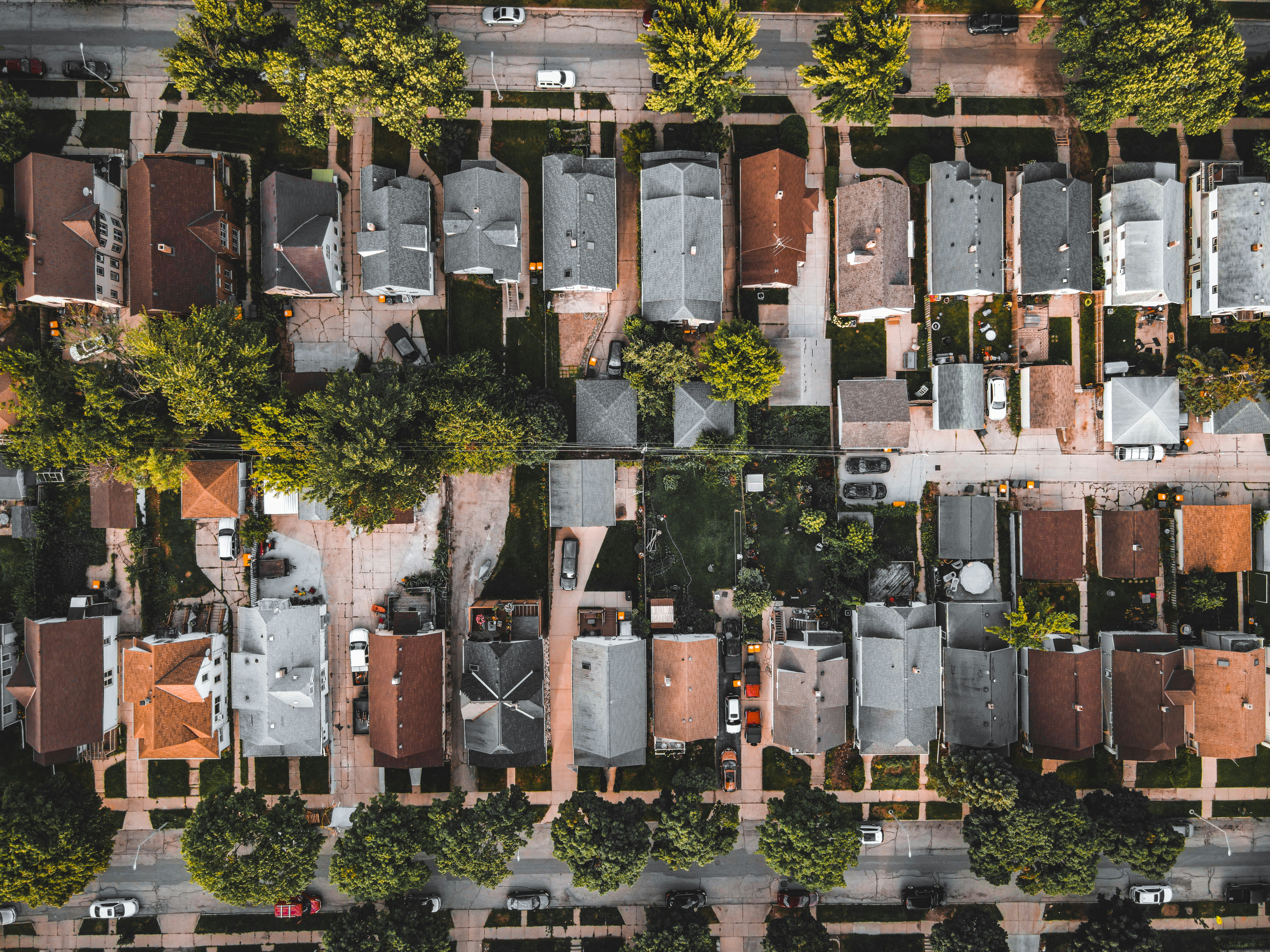
14,200
insurance claims from fallen trees in your county last year
7% of all homeowners insurance claims result from a fallen tree
— IIHS 2024 DATA
Your Largest Tree Is Also Your
Largest Liability
Deadwood falls without warning. Roots crack driveways for years before anyone notices. And once a neighbor documents neglect, your insurance may not cover a cent. Canopy fixes that — before the morning school run ends.
- ISA Certified Arborists
- Fully Licensed & Insured
- Same-Day Emergency Response
- Free Property Assessment
- No Mess Left Behind
- Satellite Pre-Survey of Every Job
- 5-Star Rated on Google
- Over 4,200 Trees Removed
- ISA Certified Arborists
- Fully Licensed & Insured
- Same-Day Emergency Response
- Free Property Assessment
- No Mess Left Behind
- Satellite Pre-Survey of Every Job
- 5-Star Rated on Google
- Over 4,200 Trees Removed
"What happens if a tree falls on my neighbor's property?"
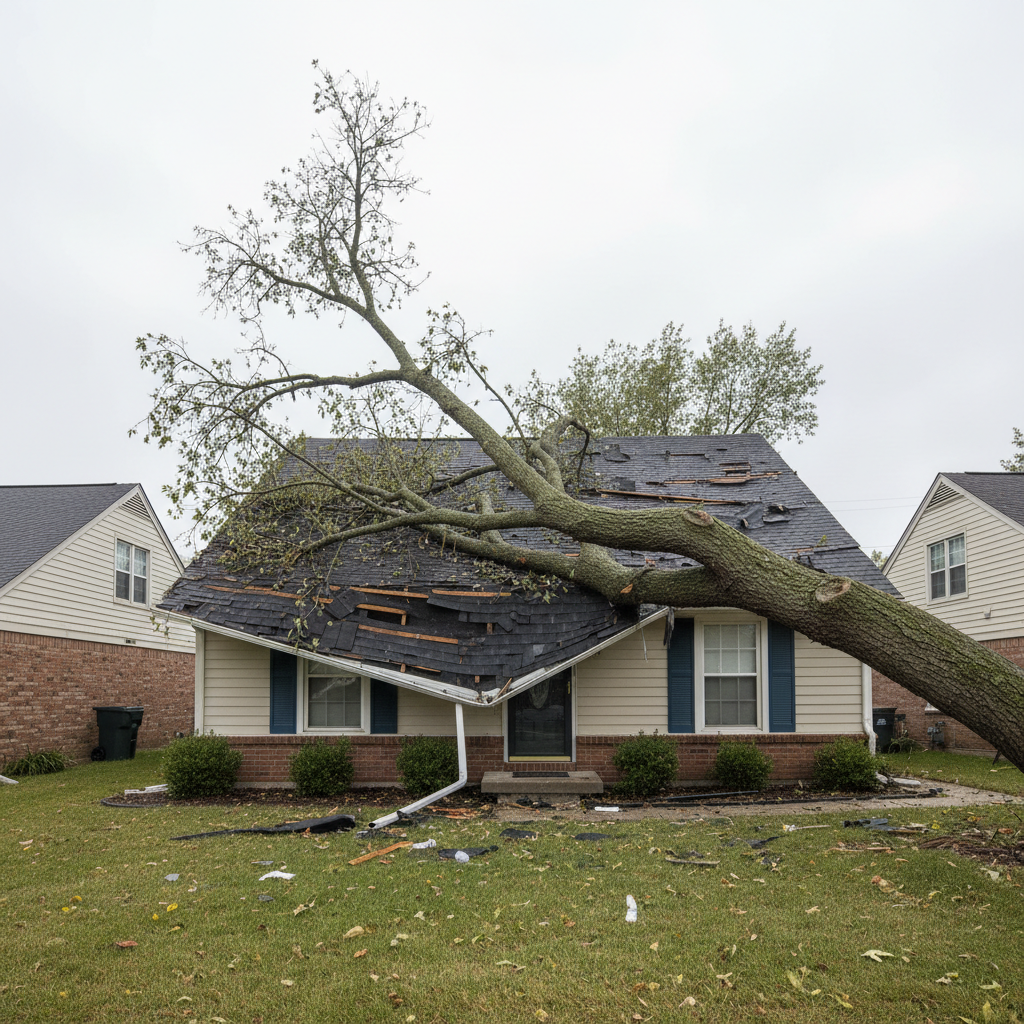
Storm aftermath, residential zone · Canopy field documentation
If your tree was dead or diseased and a neighbor can document that you knew — or should have known — you can be held personally liable for the full repair cost, even if your homeowners insurance denies the claim. Most policies exclude damage caused by a tree that was already visibly failing before the event.
"Once a neighbor files a written complaint with the city, your window to act without legal exposure shrinks to weeks, not months."
$500–$1,000
Maximum most home insurance policies pay for tree removal after it hits a structure — often a fraction of actual cleanup costs
"How do I know if a tree is dying before it's too late?"
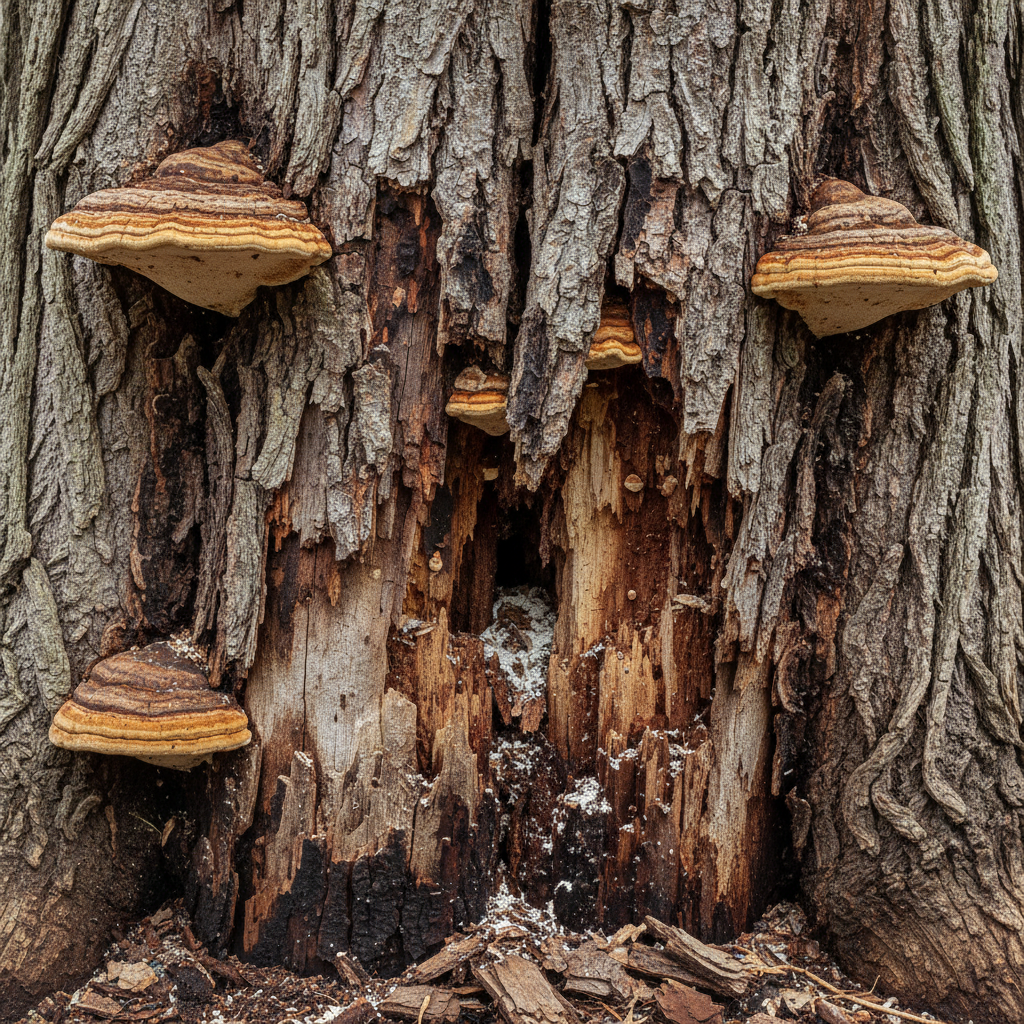
Fungal fruiting body at base · classic internal decay indicator
Deadwood in the upper crown — branches that hold no leaves and snap rather than bend — is the earliest visible signal. Mushroom or fungal growth at the base indicates internal root rot that can hollow a trunk completely while the tree still looks green from the street. A lean that has increased since last year is the most urgent warning of all.
"Dead branches, called widow-makers, can fall without any wind trigger at all. They are the single most preventable cause of tree-related injury."
45°
The lean angle at which a tree reaches high likelihood of structural failure — but root problems begin causing damage well before this point
"My driveway is cracking — could my tree be the cause?"
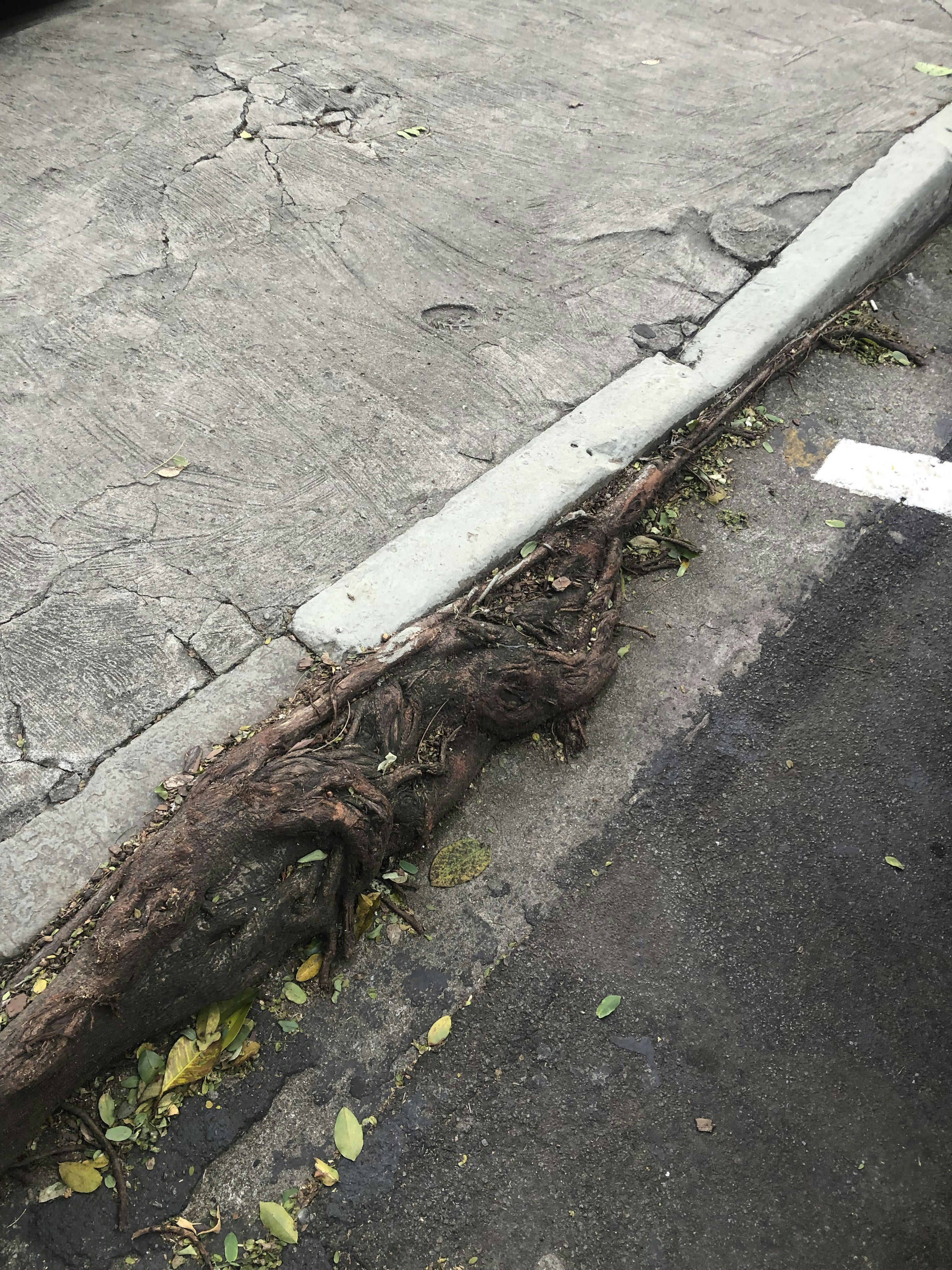
Root uplift damage · residential driveway · documented pre-assessment
A tree's root system typically extends twice the width of its canopy — meaning if branches overhang your driveway, the roots are already beneath the slab. As roots thicken over years, they exert upward pressure that lifts and fractures concrete. Patching the surface without addressing the root source restores the driveway for months, not years.
"Roots have no agenda — they follow water and oxygen. If your irrigation runs under the driveway, so will the roots."
$3,000+
Minimum cost of underground pipe replacement when roots infiltrate sewer or irrigation lines — a common secondary consequence of unchecked root spread
"Will stump grinding damage my irrigation lines?"
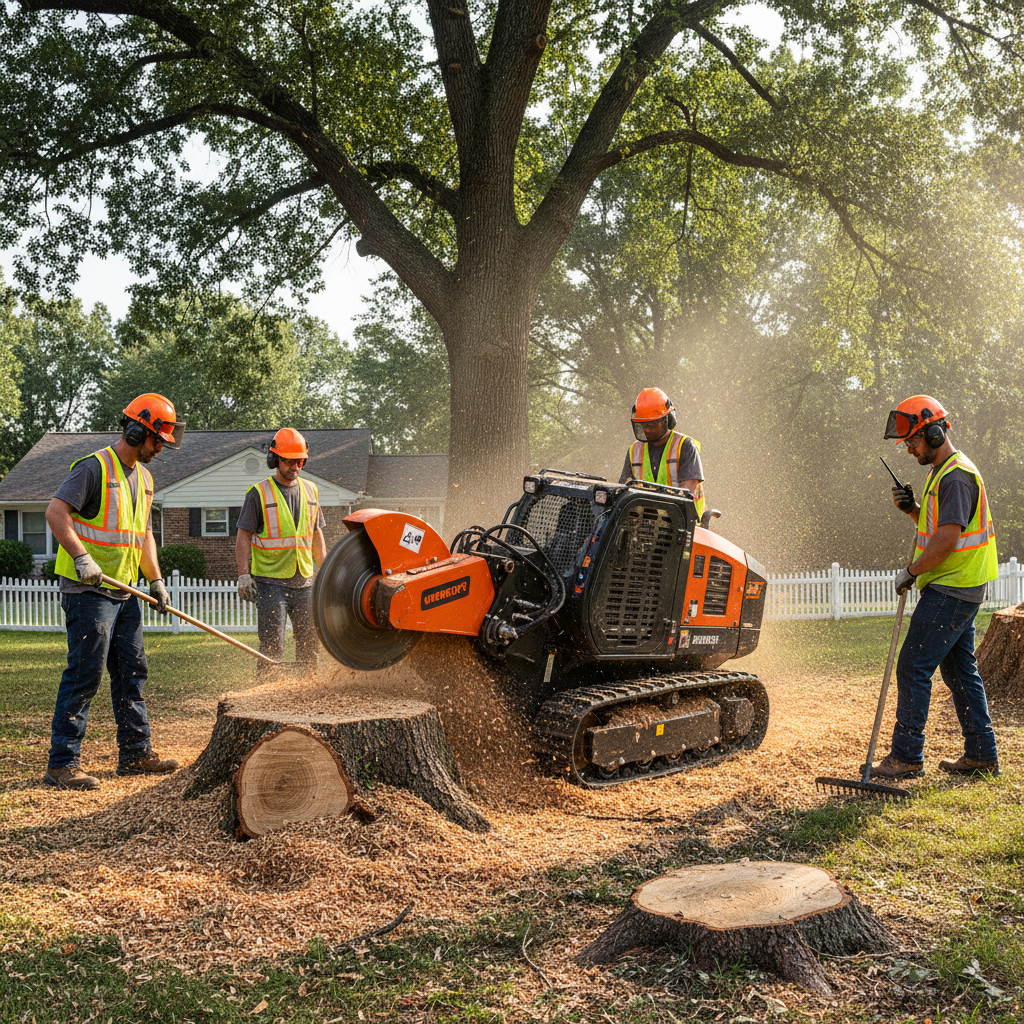
Canopy stump grinding operation · irrigation pre-survey completed
Irrigation laterals run 15–30cm below grade — directly in the working depth of a stump grinder. Standard utility marking services do not locate private irrigation, which is why professional crews conduct a separate visual survey and ask about sprinkler zones, landscape lighting conduits, and any known buried features before a single blade turns.
"Professional grinders have blade-stop sensors and incremental depth control. Rental units have neither — and irrigation repair after a DIY grind easily exceeds the cost of hiring a crew."
15–30cm
Typical burial depth of residential irrigation laterals — well within stump grinder reach without professional depth control and pre-survey
"Every week you wait is another storm season closer."
Free assessments available this week — limited slots
The quiet math of a tree left too long
92%
of hazard trees show visible warning signs 12+ months before failure
$8,400
average foundation repair cost when tree roots go unchecked for 3+ years
48hr
typical window from storm warning to branch failure on compromised trees
2×
a tree's root spread vs. its canopy width — the driveway cracker you can't see
"Most homeowners don't realize they're legally liable the moment a neighbor documents a hazard tree on paper — even if it hasn't fallen yet."
Free Assessment
Satellite pre-survey + on-site evaluation at no charge
Same-Day Response
Emergency crews dispatched within hours of your call
Insured Work
Full general liability and workers comp on every job
Clean Finish
Debris hauled, stump ground, site raked before we leave
"What are the hidden costs of waiting too long?"
Tree root damage rarely announces itself. A hairline crack in year one becomes a foundation repair in year five — and if a storm-weakened branch lands on your neighbor's roof while a documented complaint sits in the city's records, your insurer may walk away entirely.
Hairline crack appears in driveway
Root pressure has begun — no one calls anyone. The tree looks fine.
Slab lifts, irrigation line nicked
Patching minor cracks and repairing a single irrigation lateral.
Foundation shift, sewer root intrusion
Larger-scale foundation repair plus underground pipe replacement.
Branch failure onto neighbor's roof
If negligence is documented, insurance denies the claim entirely.
"Early detection is the only thing that keeps a $400 trim from becoming a $40,000 legal situation."
$40 – $450
Typical range for a professional tree health assessment — and Canopy does it free, with satellite pre-survey included.
What Canopy assesses at no charge:
Your trees, assessed before the week is out.
Our crew satellite-previews every property before arrival. Tell us your address and we'll show up knowing exactly what we're looking at — no guesswork, no upselling.